Sensory Activities for Babies and Toddlers: Fun Ways to Support Early Development
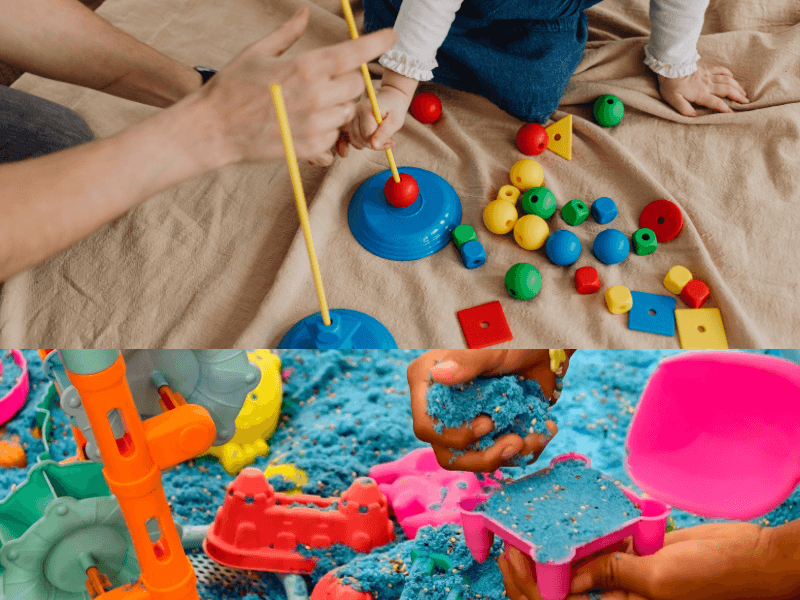
Watching your little one explore the world is one of the sweetest parts of parenting. you can see the curiosity in their eyes and how they really just want to know, touch and feel. From squishing mashed bananas in their fingers to splashing water across the floor, or even picking and dropping an item wanting to know cause and effect.
every tiny moment helps build important developmental skills. Sensory activities for babies and toddlers are more than just messy fun they help children learn through touch, sound, movement, sight, smell, and even taste.
Sensory play is all about letting little hands explore, discover and learn through play. It builds fine motor skills, sparks imaginative play and supports early development all through simple materials.
The best part is You do not need expensive toys or fancy setups to create meaningful sensory play at home.
As a mom who has had her hands on quite a number of activities.
I will walk you through simple, age-appropriate sensory activities that encourage learning, creativity, and bonding while keeping your little one engaged.
What Are Sensory Activities?
Sensory activities for babies and toddlers are play expediences that stimulates the 5 senses.
These activities help babies and toddlers develop important skills like:
- Fine motor coordination
- Language development
- Problem-solving
- Hand-eye coordination
- Emotional regulation
- Curiosity and creativity
Sensory play also supports brain development because young children learn best through hands-on experiences.
Sensory Play for Babies and Toddlers(why your baby needs it)
1. Encourages Brain Development
When a child engages multiple senses (sight, sound, touch, taste, smell, balance, and body awareness), their brain registers these data streams and creates new neural connections.
Every time a child experiences a new sensation, the architecture of their brain grows and strengthens.
As children observe and differentiate the characteristics of objects (e.g., squishy vs. hard, heavy vs. light), they develop problem-solving, classification, and critical thinking skills.
Every new texture, sound, or movement helps build neural connections in your child’s growing brain.
2. Improves Fine Motor Skills
Sensory activities for babies and toddlers are a wonderful way to combine learning and play. Whether your child is splashing water, digging through rice, or exploring different textures.
these simple experiences help support healthy development in fun and meaningful ways.
tactile play, like squeezing, pouring, and molding, acts as a workout for small muscles in the hands and wrists, which directly supports later skills like writing.
Sometimes the simplest moments become the sweetest childhood memories. From building motor skills to burning that toddlers energy , sensory activities turn everyday play into meaningful learning
Scooping, squeezing, pouring, and grabbing strengthen little hand muscles needed later for overall growth. Sensory activities for babies and toddlers are play experiences that stimulate your child’s senses:
- Touch
- Sight
- Hearing
- Smell
- Taste
- Movement and balance
3. Builds Language Skills
As the kids explore with different items and creativity by the parents it is left for the parents to naturally describe colors, textures, sounds, and actions, this will help expand vocabulary and knowledge.
4. Supports Emotional Development
Big feelings are okay, and trust me your little one will go through all of it .Sensory activities can feel calming and comforting, especially for toddlers who are learning to manage big emotions.
5. Encourages Independent Play
Simple sensory bins and activities often keep toddlers engaged long enough for independent exploration.That way mom gets a little alone time before the need for another game or toy.
The amazing thing abut letting your toddlers play is hoe they become super tired from the days activities and don’t struggle sleephttps://sallyohjay.com/baby-sleep/
Safe Sensory Play Tips
i know you maybe excited to start just so you can get a little time for coffee or just a break from the busy beautiful chaos, but Before starting any activity, keep these safety tips in mind:
- Always supervise babies and toddlers during sensory play.Don’t let them be alone,you can get a third eye if you need too
- Avoid choking hazards for younger babies.They are always so quick to put things in their mouth especially if it appears colorful and sizeable.here’s why you wan to keep a close watch
- Use taste-safe materials whenever possible.play safe by using materials that are somewhat edible especially for babies and toddlers who still just want these items in the mouth.
- Watch for allergies when using foods or natural items. if you have got babies with sensitive skin, you know you would want to look out for an instant reaction or try to avoid products or play items that activates the allergies.
- Keep activities age-appropriate. Try to note what activity is suitable for your child age. i bet you don’t want to overwork your baby and yourself by bearing a task way bigger
- Expect messes and dress your child in play clothes. or take them outside the house because honestly it does get messy so you need to be prepared.
Sensory Activities for Babies (0–12 Months)
Babies learn mainly through touching, looking, listening, and mouthing objects. Keep activities simple and gentle.
Sensory play doesn’t have to be complicated or expensive. Sometimes all it takes is a tray, a simple base like rice or pasta and a few tools for scoping and pouring
for babies less than 1 year here;s the way to go
1. Tummy Time and Feet Sensory Exploration
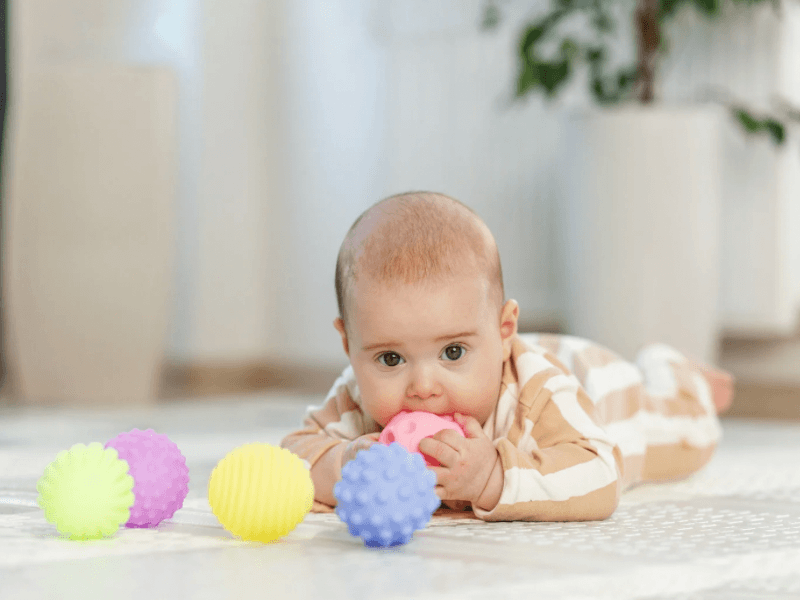
Combining sensory play with tummy time will keep your baby engaged while turning a necessary milestone into a fun experience.
Try to Place different textured items around your baby during tummy time:this builds the neck and upper arm strength .
i am talking Soft blankets, Crinkly fabric, Silicone toys, Textured books, a mirror or black and white printed material.
The mirror worked best for me as my triplets sort of just enjoyed seeing themselves.i could literally see the excitement and sudden strength to reach and touch their reflection in the mirror.
Foot sensory play: here a crinkly nylon can be placed over your child’s feet great for 5-8 months.
This activity strengthens the core( important to sitting and rolling and crawling.Scatter soft objects or chiffon scarves around the play area for them to rumble their feet in , kick and thug at.
All of This encourages movement and curiosity.
2. Water Play
If you think changing your baby out of a wet cloth after an activity is int worth a cup of coffee, then you may want to skip reading.
with water there’s a good chance some of the water is going to spill over the sides but you will have to decide if that feeling is worth it to you you not.
To be honest Some days I wouldn’t feel up to it but Working with a tray keeps play contained, helps avoid to much mess and makes your child more focused.
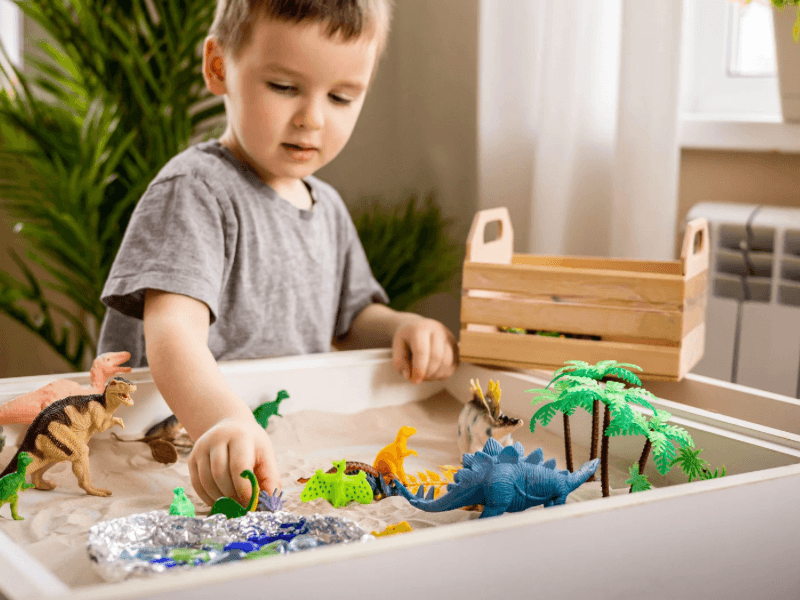
Fill a shallow container with a small amount of lukewarm water and let your baby splash with supervision.
Water is the best sensory base because it’s cooling and also calming and it sort of leads to an actual bath afterward.
To make this fun add some Floating toys, Cups, Soft and colorful sponges, balls, pompoms, or glitters.
Using spoons to fish items out is a great form for working on hand and eye coordination. Scoop and transfer activities are often a hit for toddlers around my kids age
Water play is soothing and helps babies explore cause and effect.
3. Sensory Bottles and Bags
This is quite easy and interesting, empty plastic bottles are finally coming to good use. Fill clear plastic bottles with: Water and glitter, Colorful beads, Pom-poms, Rice or pasta.
Seal tightly and let your baby shake and observe the movement.
Sensory bag ideas: is another mom easy go to tool they are quite easy to make and great for baby development.
you can try Pees and water by filling a gallon size zip lock bag with 4 Cups of water and 1 and half cup of peas, squeeze out the air and then zip it close .
Water and glitter also a great option this one is so simple all you need is to add 3 Cups of water into a zip lock bag and then add a bunch of glitters, now let your baby explore the magic.
Hair gel and googly eyes: add a few soon full of your hair gel into the zip lock bags and then add the googly eyes. The black and white in there is great to lengthen their attention span and encourage focusing.
Hair gel and pompoms: add a few spoonful of your hair gel into a zip lock bag and then add some pompoms into it, add a variety pack for textures and sizes. icky sticky but baby will enjoy this.
Go ahead to tape the bags securely to the floor so the baby can feel the temperature and movement beneath their hands.
4. Music and Sound Exploration
Simple percussion instruments (like shakers, drums, or household items) provide immediate cause-and-effect feedback that keeps children highly engaged.
You do not need specialized equipment to create these activities.
You can easily combine through simple, everyday actions like Filling clear containers with dry beans, rice, or large beads and let children shake them to different rhythms.
Add gentle background music or sing repetitive songs during bath time or shallow water play to combine soothing sounds with tactile splashing.
and if you feel like you don’t have a great voice best believe your baby thinks otherwise so sing on mama. don’t forget to get musical toys too they do help get the job done too.
Singing and clapping help babies recognize sounds and rhythms.
5. Fabric Texture Basket
Little hands naturally explore through touch, movement and repetition- scoop , pour repeat. By interacting with materials that are smooth, rough, squishy, or sticky, children build neural pathways, improve fine motor skills, and learn to regulate their emotions.
Create a basket filled with: Velvet, Cotton, Satin, Faux fur, Knitted fabrics and let them touch and try to pull out. Babies enjoy touching and comparing different textures.
Working with a sensory base like rice, pasta or chickpeas are way textures to explore.
You will also need some simple items like spoons, scoops and small bowls which are perfect for scooping and pouring.
Reaching and grabbing (7-10) months is said to enhance coordination and motor skills.
Baby feeding: from 7-12 months develops independence and also fine motor skills.
Pincer grip toys:from 9-12 months develops and strengthen thumb and index finger control, which is important for self feeding, scribbling and buttoning later.
Hide and find games: from 10 months. You can just have your baby watch you while you put a basket over a toy you know they want to pick.
watch them go over raise and find the toy. This builds independent and problem solving skills
Sensory Activities for Toddlers (1–3 Years)
Toddlers love hands-on experiences and active exploration. The toddler energy is something we are usually not prepared for because hows my little baby of yesterday really trying ti go over a wall, chair and bring things off the table. engaging them with sensory play is the overall best we can do as moms i believe These activities support learning while keeping them entertained.
here a re a few of my discoveries that has long existed and works wonders!
1. Rice Sensory Bin
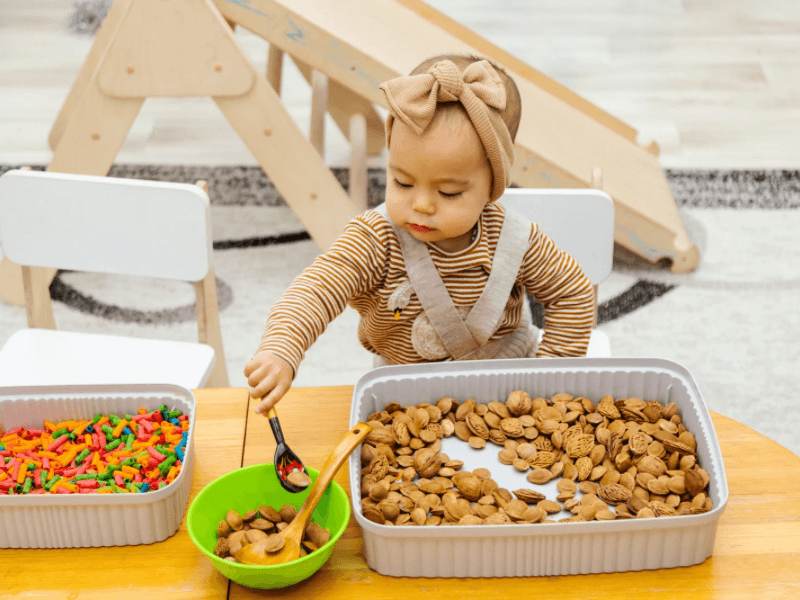
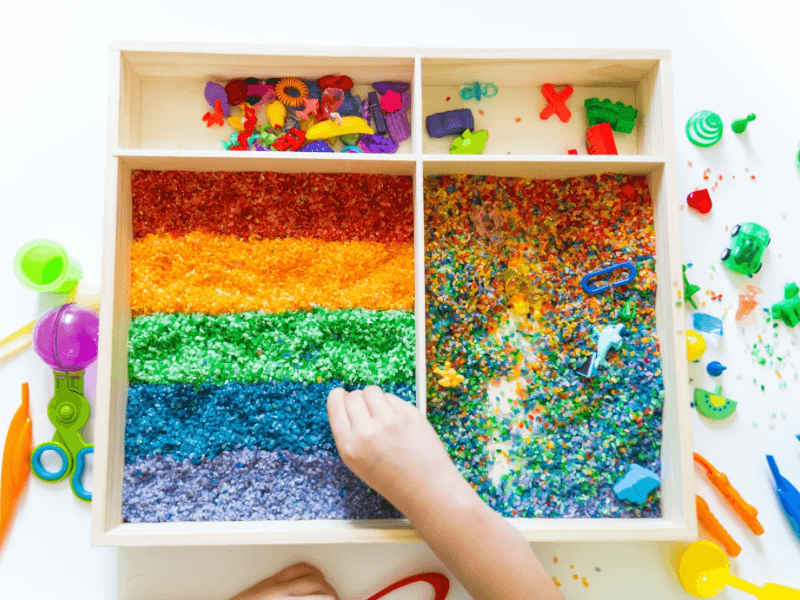
Some sensory base can be used again and again.think Rainbow rice,sand, salt,chickpeas,lentils and dry pasta, store them In an airtight container and swap out the tools for a different play experience. Often the best tools are the ones you already have in your kitchen drawer, things, spoons, bowls, whisks, measuring cups. Simple things become very engaging and always a hit
Fill a bin with colored or plain rice and add: Scoops. Cups, Toy animals, Measuring spoons and let them explore.
This activity supports fine motor development and imaginative play. You don’t need fancy toys simple materials you find at home can create a magical time.
2. Edible Finger Painting
Make safe paint using yogurt and food coloring. because the chances that this will get to the mouth is high so its best to play it safe. Let toddlers paint with their fingers on paper or trays.
they will be harnessing their Creativity, Sensory exploration and Hand coordination.
3. Ice Cube Rescue and Ball Activity
Freeze small toys inside ice cubes and let your toddlers melt the ice using warm water and toy tools.
This activity teaches patience and problem-solving. you will be shocked to see how patient your kid be just waiting to grab that toy hes reaching for.
Ball:, activities with the balls are numerous starting with the trapped ball.
where you cover balls in a basket with tape over them, this way baby tries to work his hand through to pick a ball.
collect balls of the wall, with a tape again stick balls onto the wall so they can drag off the base.
Paper tunnel: build tunnels with paper and try to roll a ball through them into a cardboard box.here is how to make one https://www.kidskubby.com/easy-paper-tunnels-for-toy-cars/
This activity will help improve hand grip and strength, build focus and patience ,explore cause and effects boost curiosity and sensory play.
Watching your baby pull, explore and enjoy this simplest things will always feel fulfilling
4. Play Dough Fun
Homemade or store-bought play dough is excellent for sensory development.
Add tools like Rolling pins, Cookie cutters, Plastic utensils
Your toddler will strengthen hand muscles while creating shapes.
5. Nature Sensory Walk
Nature is sensory play too,and its one of my favorite. Nothing beats taking a stroll out and letting your babies imagination run wild while, you also enjoy the scenery and weather.
its amazing how things like , leaves, stones, water and seeing the birds truly sparks their curiosity.
i will say Take your toddler outside and encourage them to Feel the grass, Pick up leaves, Listen to birds, Smell and pick flowers and literally just run.
Running, digging, and balancing enhance coordination and spatial awareness.
Outdoor sensory experiences are calming and educational. Ask your kids to find items of different colors, shapes, and textures.everyone is sure to have a great time in the end.
if you are wondering what time is best for all or any sensory plays i will say There is no perfect schedule.
Even 10–15 minutes of sensory play each day can support your child’s development. so do what works best for you and your babies.
You can however choose to do this After naps, During independent play time, Before bath time, On rainy days indoors remember to Follow your child’s interests and energy levels.
MORE SENSORY PLAY ITEMS
You actually might just be ditching all the store bought toys as You do not need to buy expensive supplies. Many sensory activities for babies and toddlers can be created using everyday household items like:
- Dry pasta
- Rice
- Oats
- Water
- Sponges
- Measuring cups
- Cardboard boxes
- Bubble wrap
- Cotton balls
- Kitchen utensils
Simple items often create the most engaging experiences.its amazing how they will rather play with random objects in the house.
If you think your kid wouldn’t handle sensory play, the trick is to start small. a tiny tray or bowl will be less overwhelming for you and your child than a big bin. Then you Model first, this is the most important as you need to show how to scoop, pour or explore gently before handing it over.
Try to keep it short; two minuets of focused play for a start is still a win. it’s easier to focus on supervising carefully for a short time.
Expect a bit of mess: set up in a space that can handle it with tables clothes, sheet and outdoor.
Also Have a realistic expectation where if they dump it, that will still be learning. Just model other types of play so they don’t think that’s the goal.
Repeat repeat repeat the more chances they get the more control they learn
Remember, sensory activities for babies and toddlers does not need to look perfect. What matters most is giving your child opportunities to explore, discover, and connect with the world around them.
The little messy moments today often become the sweetest memories tomorrow.